
The Story Behind Inflection
I have sat in a conference room with a migraine so severe that the lights felt like a physical assault, and I have led that meeting anyway. I have stood in front of executives making the case for a supply chain strategy, while my body quietly staged its own protest in the background. I did not do this because I was extraordinary. I did it because I had a job to do and no one around me was offering another option.
I've lived with chronic migraine since I was young — 35 years of learning which triggers I can control and which ones I cannot, of negotiating with my nervous system, of building workflows and rhythms that could flex when my body demanded it. Ten years ago, chronic fatigue joined the picture. If migraine was a storm, fatigue was a fog — quieter, harder to explain, and in many ways more isolating, because the world is still not great at taking it seriously.
And then there was cancer. Three times. I won't tell you that each diagnosis made me stronger, because that framing has never felt honest to me. My journey was not the hardest, but what I will tell you is that surviving cancer — repeatedly — changes your perspective on things, on how you view the version of your future you thought you were building toward.
And I was not only managing my own health. During the same years I was navigating migraine and fatigue and cancer, my mother was losing ground to Parkinson's Plus MSA — Multiple System Atrophy — along with dementia. MSA is a rare, aggressive neurological condition. It takes cognition and physical function at the same time, and it does not slow down. I was there beside her at doctor appointments, sitting in waiting rooms, and helping with things at their home with my father, who was her primary caregiver and who was carrying more than anyone should have to carry alone.
There is a particular kind of exhaustion in being the person who advocates for someone else when you are also the person who needs advocating for. I knew those waiting rooms — I had sat in versions of them for myself for decades. And now I was sitting in them for her, while managing my own symptoms in the same chair.
Grief doesn’t wait for illness, or careers, or kids who still need dinner made. Losing someone to a disease like MSA and dementia isn’t a single moment — it’s a series of quiet goodbyes as the person you love becomes harder and harder to reach. My mother passed away a few years ago. Walking with her through her decline and her death clarified something I had known but never fully named: you cannot get through seasons like that by pushing harder. You need a way of living that doesn’t collapse under the weight of your life. And it’s what I want to help you build.
That realization is what finally made me look at the coaching industry and notice the gap. Everything I found was designed for people who could choose between self-care and performance. People who could take a rest day without cascading consequences. People for whom "listening to your body" was a gentle suggestion, not a logistical puzzle.
No one was building tools for people like me — like us.
So, I built Inflection Coaching. Not as a pivot. Not as a feel-good second act. As a direct, practical answer to a gap that should not exist. If I could have used it earlier in my career — migraine flaring while I led a high‑stakes negotiation — I would have. That’s the standard it has to meet.
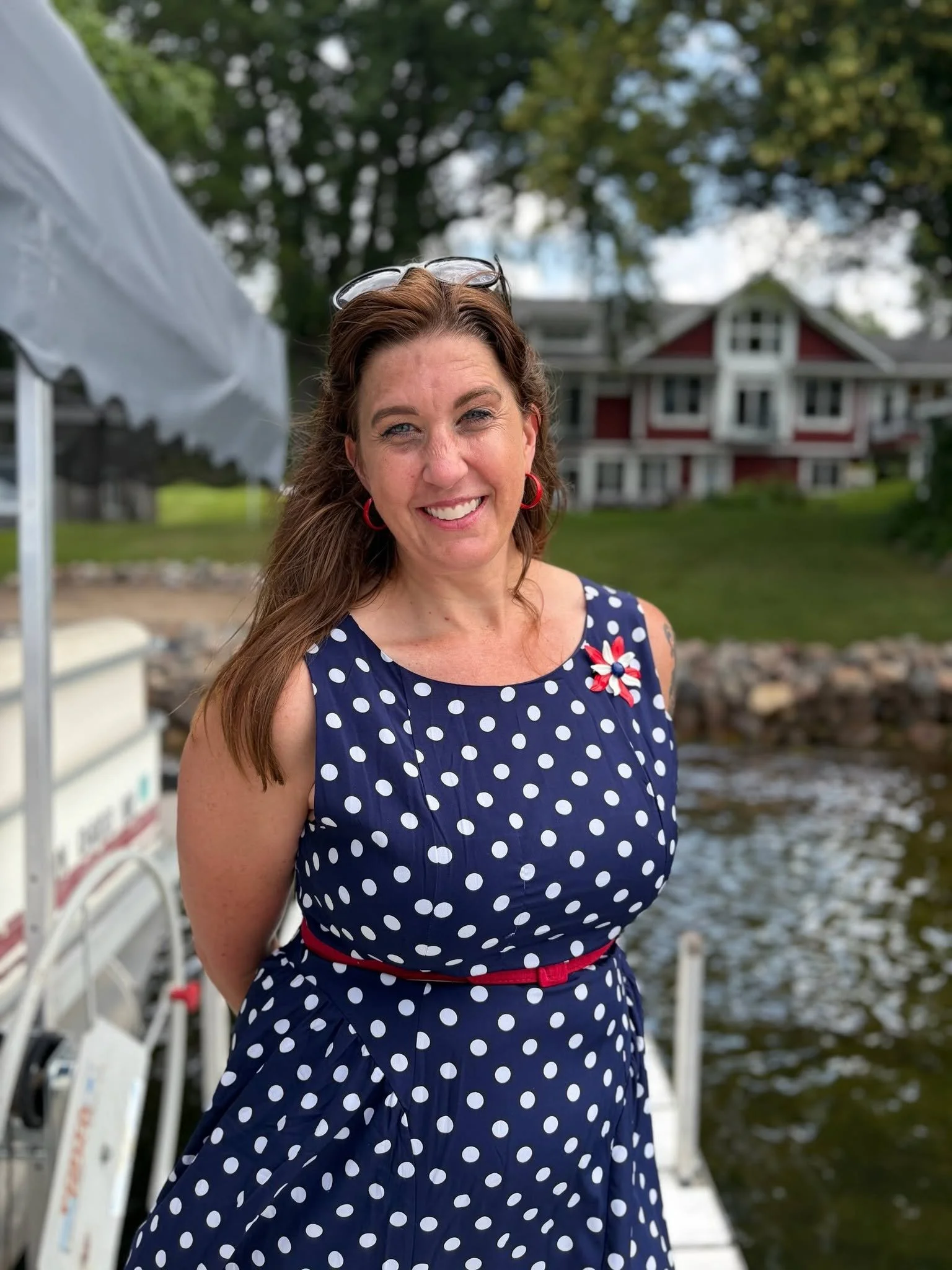
"I didn't build my career after I got sick. I built it while being sick — and I needed a completely different playbook to do it."
Ready to Take the Next Step?
Send a quick note and I will get back to you within one business day—let’s start building your success story together.